
His story
Rudy Lozano
Rudy Lozano (1951–1983) organized immigrant workers, built coalitions across Chicago's Latino and Black communities, and fell just seventeen votes short of forcing a runoff in his bid to become Chicago's first Mexican American alderman.
Early life
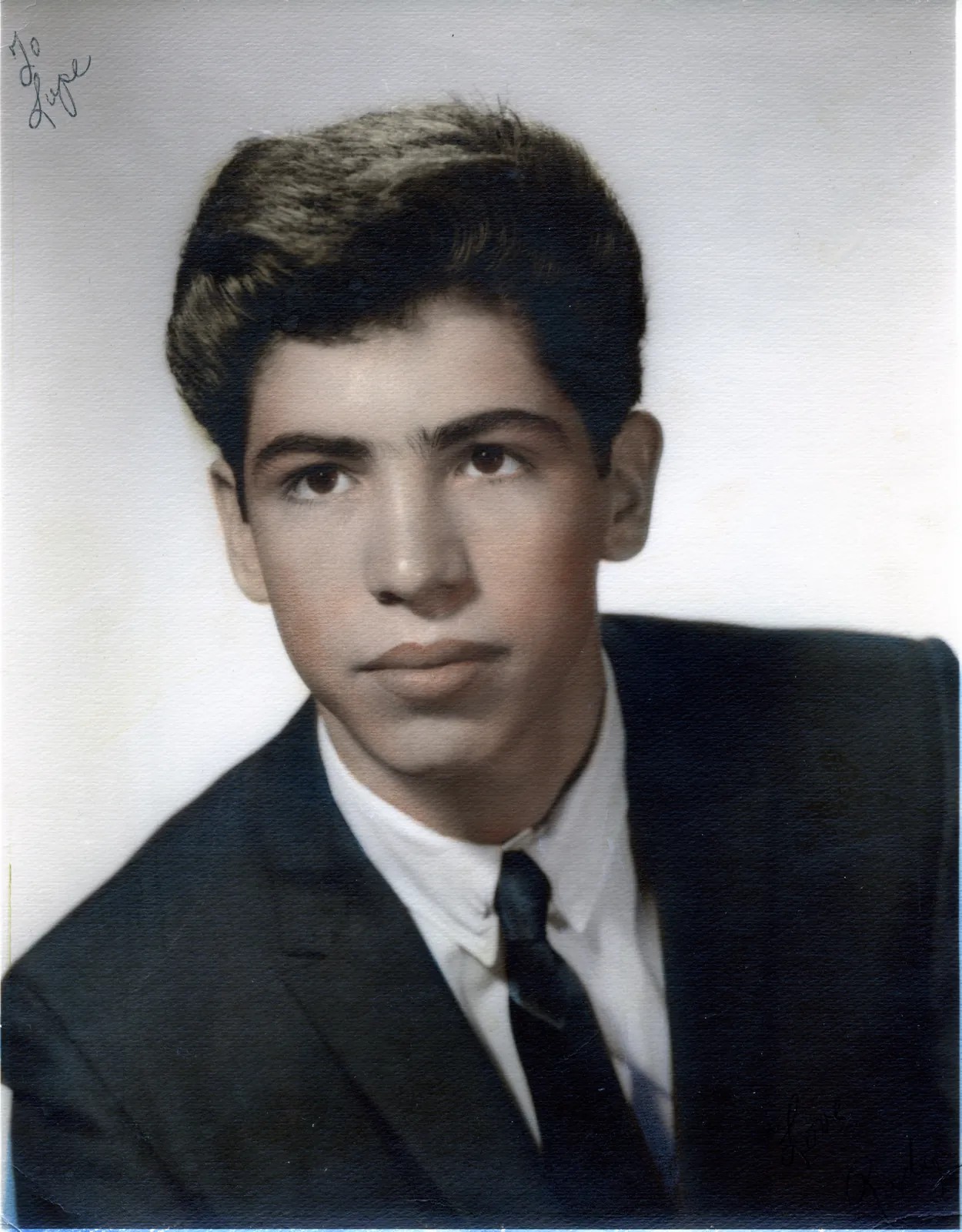
Rudy Lozano was born on July 17, 1951, in Harlingen, Texas. His family moved to Pilsen, a largely Mexican American neighborhood on Chicago's southwest side, when he was young. He attended Harrison High School and the University of Illinois at Chicago, where he organized students to demand Mexican history courses and more Latino faculty.
Organizing workers
In his twenties he became an organizer for the International Ladies' Garment Workers' Union (ILGWU), and later its chief Midwest field organizer. He worked with tortilla factory employees and other low-paid immigrant workers, many of them undocumented.
The 1983 campaign
In 1982 he entered the race for alderman of the 22nd Ward. In the February 1983 election, longtime alderman Frank Stemberk kept his seat, and Rudy fell seventeen votes short of forcing a runoff. His supporters said voters with Spanish surnames had been purged from the rolls.
During the 1983 election, Rudy and his sister Emma Lozano helped mobilize Latino voters across the city for Harold Washington, who was elected Chicago's first Black mayor that April.
His death
On June 8, 1983, Rudy Lozano was shot and killed at his home at 4035 W. 25th Street in Little Village. A reputed gang member was convicted of the murder. Many of his supporters believe he was killed for his labor and political work. Mayor Washington visited his widow that day and spoke at his funeral, describing him as a man driven by a search for unity.
Legacy
His campaign manager, Jesús "Chuy" García, won the 22nd Ward seat in 1986 and later served in Congress. The Rudy Lozano Branch of the Chicago Public Library and the Rudy Lozano Campus of Instituto Justice and Leadership Academy carry his name, and a city historical marker stands in front of his former home.
Sources: Wikipedia, UIC Library, Rudy Lozano Papers.